Why Does He Leave Me on Delivered After a Fight? Understanding the Silence After Conflict
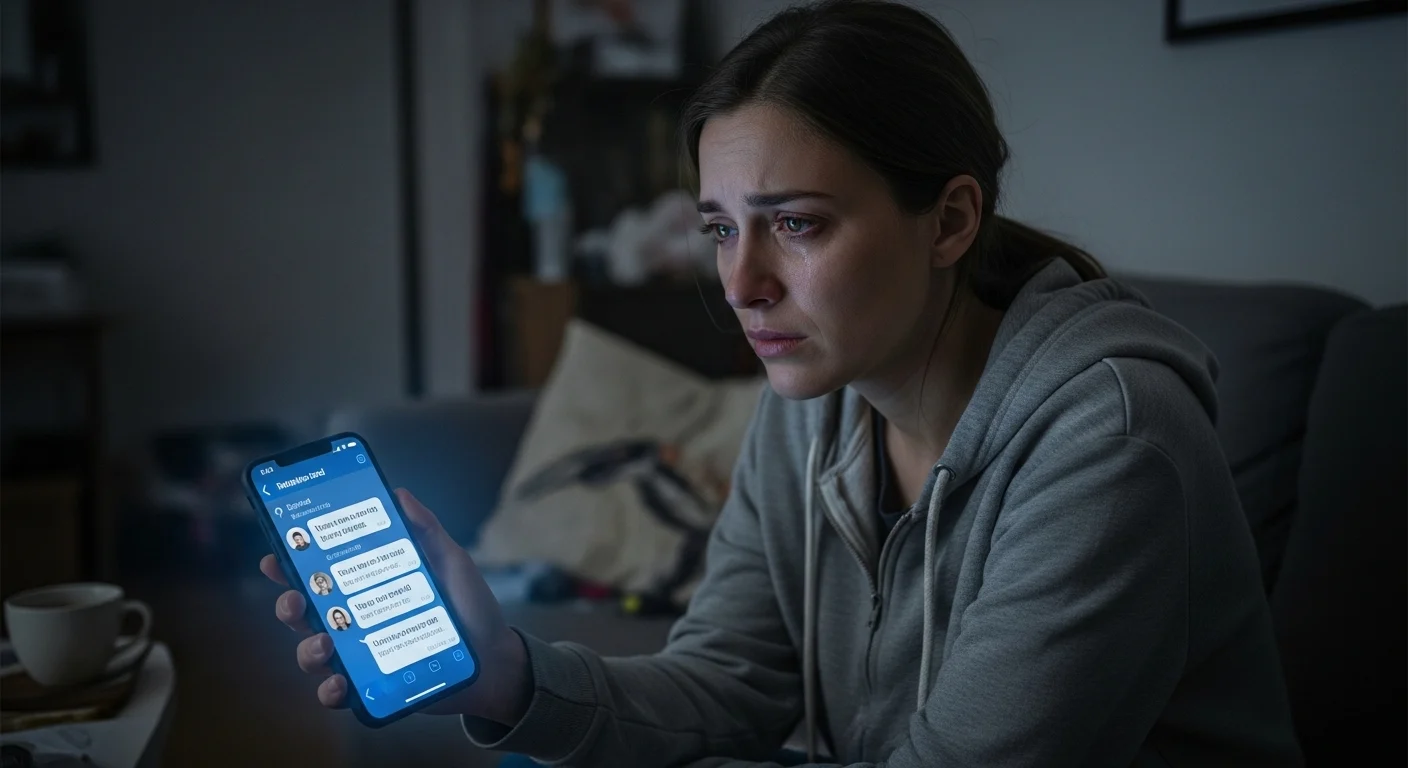
Arguments are a normal part of any relationship. But in the digital age, fights don’t just happen face-to-face—they continue through messages.
One of the most confusing moments after an argument is sending a message and seeing it sit on “Delivered” with no reply.
If you’re wondering “why does he leave me on delivered after a fight?”, you’re not alone. Silence after conflict can feel painful, especially when you’re trying to fix things or understand what went wrong. It may make you question the relationship, his feelings, or whether the argument damaged the connection.
However, being left on delivered after a fight doesn’t always mean the worst. In many cases, it reflects how people process emotions differently. Some people need time to calm down, think clearly, and avoid saying something they might regret. Understanding the possible reasons behind this behavior can help you interpret the situation more realistically and respond in a healthier way.
Why Silence Often Happens After a Fight
Conflicts trigger strong emotions like anger, frustration, or sadness. When emotions are high, communication can easily become defensive or hurtful.
Because of this, many people instinctively step back from communication for a while. Leaving a message on delivered might simply be a way of creating emotional space.
Instead of reacting immediately, he may be trying to avoid escalating the argument further.
This type of pause is often part of cooling down, not necessarily avoiding the relationship.
Common Reasons He Leaves You on Delivered After a Fight
1. He Needs Time to Cool Down
One of the most common reasons is that he is still processing the argument emotionally.
After a disagreement, people often feel overwhelmed. Responding immediately might lead to more conflict or harsher words.
By waiting before replying, he may be trying to:
- Calm his emotions
- Think about what happened
- Avoid saying something he might regret later
For some people, silence is their way of preventing the situation from getting worse.
2. He Feels Hurt and Doesn’t Know What to Say
Arguments can sometimes touch sensitive topics. Even if the fight seemed small, certain words may have hurt him more than expected.
In this situation, he might not reply because he is:
- Feeling emotionally wounded
- Unsure how to express his feelings
- Afraid of restarting the argument
When someone doesn’t know how to respond without making things worse, silence can feel like the safest option.
3. He Is Avoiding More Conflict
Some people strongly dislike confrontation. When a disagreement happens, their natural response is to withdraw temporarily.
This behavior is often connected to communication styles where people prefer to:
- Step away from arguments
- Let emotions settle
- Return to the conversation later
From his perspective, not replying immediately might feel like protecting the relationship from further tension.
4. He Is Reflecting on the Situation
After a fight, people often spend time thinking about:
- What caused the disagreement
- Whether they were wrong
- How the relationship is progressing
This reflection can take time.
Instead of reacting emotionally through text, he might be trying to process the situation privately before continuing the conversation.
Emotional Processing Differences in Relationships
One reason conflicts create confusion is that people process emotions differently.
Some individuals want to resolve issues immediately. They prefer talking things through quickly to restore connection.
Others need time and distance before they can discuss the situation calmly.
When these two styles meet, misunderstandings happen. One person may interpret silence as rejection, while the other sees it as necessary space.
Recognizing this difference can reduce unnecessary anxiety.
Attachment Styles and Post-Fight Communication
Relationship psychology explains that attachment styles influence how people respond after conflict.
Anxious Attachment
People with anxious attachment often:
- Feel uncomfortable with silence
- Want immediate reassurance
- Try to fix problems quickly
If messages remain on delivered, they may feel worried about losing the relationship.
Avoidant Attachment
People with avoidant attachment often:
- Need space after emotional tension
- Pull away temporarily during arguments
- Return once they feel calmer
If he leaves messages on delivered after a fight, it may reflect avoidant coping, not necessarily a lack of care.
Understanding these patterns helps explain why communication after conflict can feel so different between partners.
When Silence After a Fight Is Normal
Not every delayed reply is a problem. In many relationships, taking a break after a disagreement can actually be healthy.
It allows both people to:
- Calm down emotionally
- Reflect on the argument
- Return with a clearer mindset
When the conversation resumes later in a calmer tone, conflicts often resolve more effectively.
Short communication breaks can sometimes protect the relationship from impulsive reactions.
When It Might Be a Red Flag
Although temporary silence can be healthy, consistent avoidance may indicate deeper issues.
Possible warning signs include:
- Ignoring messages for several days after arguments
- Refusing to discuss the issue later
- Using silence as punishment
- Repeating the same pattern after every disagreement
When communication shuts down completely after conflict, it may signal unhealthy conflict resolution habits.
Healthy relationships require both partners to eventually address problems openly.
How to Respond If He Leaves You on Delivered After a Fight
If your message remains on delivered after an argument, the best response is patience and emotional balance.
Give Both of You Time
Allow space for emotions to settle. Immediate pressure to respond can make things worse.
Avoid Sending Multiple Messages
Repeated texts can intensify tension and may push the other person further away.
Reflect on the Argument
Use the time to think about what happened and whether there are ways to approach the conversation more calmly later.
Focus on Resolution, Not Winning
Healthy communication focuses on understanding each other, not proving who was right.
How Healthy Couples Handle Conflict
Strong relationships are not defined by the absence of arguments. They are defined by how partners repair the connection afterward.
Healthy conflict resolution often includes:
- Taking breaks when emotions are high
- Returning to the conversation calmly
- Listening to each other’s perspective
- Working toward solutions together
If both partners are willing to communicate respectfully after disagreements, conflicts can actually strengthen understanding in the relationship.
Why Does He Leave Me on Delivered After Calling? The Real Reasons Behind This Confusing Behavior 📱
FAQ: Common Questions About Being Left on Delivered After a Fight
Why does he ignore my messages after an argument?
He may be trying to calm down, process his emotions, or avoid escalating the conflict further.
Should I text him again after a fight?
It’s usually better to give some time before sending another message. Immediate pressure may make the situation more tense.
Does silence after a fight mean he doesn’t care?
Not necessarily. Many people need time to process emotions before continuing a conversation.
How long should space last after a disagreement?
Short breaks are normal, but healthy relationships eventually return to communication and resolution.
Final Thoughts
If you’re asking “why does he leave me on delivered after a fight?”, remember that silence after conflict is often part of emotional processing.
Some people need time to cool down, reflect, and approach the conversation more calmly. While the silence can feel uncomfortable, it doesn’t always mean the relationship is in danger.
What truly matters is what happens afterward. If both partners eventually return to communicate honestly and work toward understanding, the relationship can grow stronger.
Instead of focusing only on the delivered notification, look at the overall pattern of effort, respect, and communication within the relationship. That bigger picture reveals far more about the connection than a single unanswered message.
Ben Cutting is a passionate writer with a knack for crafting engaging and insightful content. With a love for storytelling and a keen eye for detail, he specializes in creating compelling articles that inform, entertain, and inspire. Whether exploring thought-provoking topics or breaking down complex ideas into simple, digestible pieces, Ben’s writing always leaves an impact. When he’s not writing, he enjoys exploring new ideas, staying updated with trends, and bringing fresh perspectives to his audience.





Post Comment